From Image : clinicalpainadvisor.com
What Exactly Is Lyme Disease?
Imagine enjoying a peaceful walk through the woods—only to be bitten by a tiny tick that changes your life. That’s how Lyme disease often begins.
Caused by the Borrelia burgdorferi bacterium, Lyme disease is a tick-borne infection that’s increasingly affecting people across North America, Europe, and parts of Asia. It might start with mild symptoms—but without early treatment, it can spiral into long-term complications involving your nervous system, heart, and joints.
🦠 How Does It Spread?
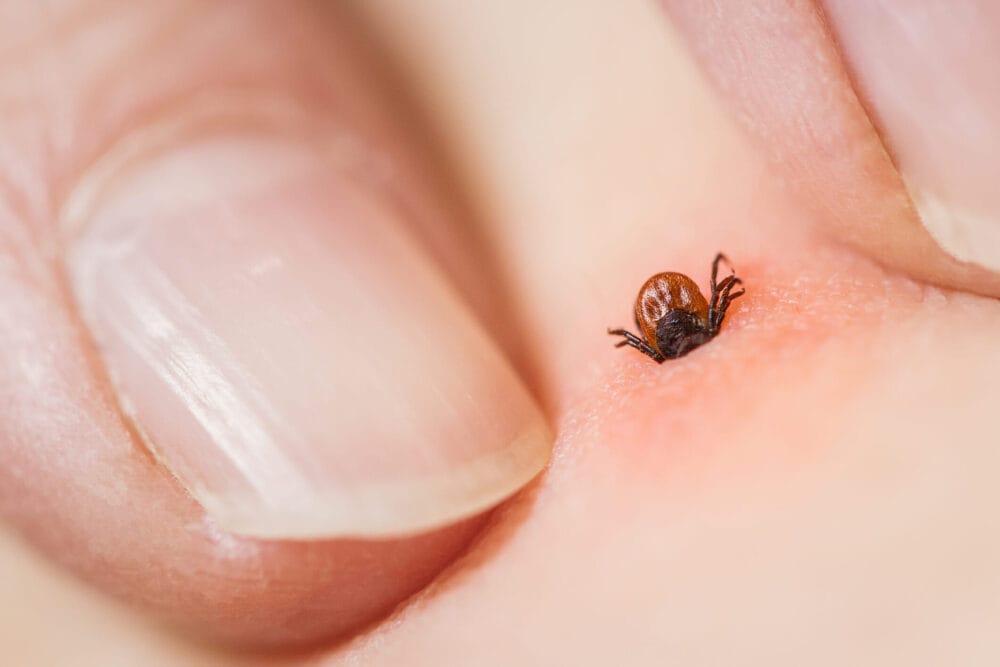
This illness is passed on through the bite of a black-legged tick—sometimes called a deer tick. These ticks are tiny—as small as a poppy seed—and often go unnoticed.
To infect you, a tick usually needs to stay attached for at least 36 to 48 hours. That’s why early detection and removal are so important.
🚨 Warning Signs: What Your Body Might Be Telling You
✅ Early Clues (First 3–30 Days):
-
A bullseye-shaped rash (but not always present)
-
Low-grade fever
-
Chills and body aches
-
Headaches and fatigue
-
Swollen lymph nodes
These signs often mimic the flu—which makes Lyme disease tricky to detect at first.
🧠 When It Gets Worse (Weeks or Months Later):
-
Painful, swollen joints (especially the knees)
-
Facial drooping or Bell’s palsy
-
Numbness, tingling, or nerve pain
-
Heart rhythm irregularities
-
Memory loss, confusion, or brain fog
Without proper care, symptoms can linger—and even become disabling.
🧪 How Is Lyme Disease Diagnosed?
Your doctor will consider:
-
Recent outdoor activity
-
Physical signs like rashes
-
And order blood tests like:
-
ELISA to screen for infection
-
Western Blot to confirm the diagnosis
-
💡 Note: Early blood tests might miss it. Your symptoms matter more than just lab results in the beginning.
💊 What’s the Best Way to Treat Lyme Disease?
The good news? Most cases are treatable—especially when caught early.
🌿 Standard Antibiotic Treatment Includes:
-
Doxycycline (commonly prescribed for adults)
-
Amoxicillin or Cefuroxime (especially for children or pregnant people)
Treatment usually lasts 10–21 days, depending on the severity.
😓 What If You Still Feel Sick After Treatment?
This is called Post-Treatment Lyme Disease Syndrome (PTLDS)—a frustrating condition where fatigue, pain, or brain fog lingers even after the bacteria is gone.
Though it’s not an active infection, PTLDS requires:
-
Rest and rehabilitation
-
Stress management
-
Supportive therapies (like physical or cognitive therapy)
🛡️ Protect Yourself: Smart Steps to Prevent Lyme
-
Stick to the center of hiking paths
-
Wear long sleeves and light-colored clothing
-
Use tick repellents with DEET or permethrin
-
Check your whole body after being outdoors—especially behind knees, underarms, and scalp
-
Remove ticks with fine tweezers, not your fingers
🌎 Why Lyme Disease Deserves Global Attention
From the U.S. to Germany to Scandinavia, Lyme disease is no longer rare. Climate shifts, outdoor tourism, and expanding tick populations mean more people are at risk—every year.
Even in cities, wooded parks and suburban lawns can harbor these silent threats.
🧠 Final Thought: Trust Your Body, Act Early
Lyme disease can feel invisible at first. But the more you know, the better you can protect yourself—and the people you care about.
So if something feels off after spending time outdoors, don’t wait. A small bite can lead to big problems—but early action can make all the difference.