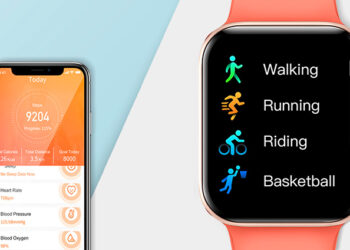
Advancements in digital technology have transformed the way individuals complete tasks, interact, and manage their daily routines. Productive individuals—especially those in their prime working years—have integrated technologies such as smartphones, laptops, and uninterrupted internet access into their everyday lives. While technology significantly boosts productivity and opens access to new opportunities, it also introduces new health challenges.
Health risks such as sedentary lifestyles, excessive screen time, inconsistent eating habits, poor sleep quality, and increased irritability are becoming more common. Therefore, adapting to a healthy lifestyle in the technology era is no longer a choice—it is a necessity. This article explores the fundamentals of maintaining both productivity and health, offering clear explanations and practical applications that can be implemented daily.
1. Understanding the Health Risks of a Digital Lifestyle

Explanation
Living a digital lifestyle often involves prolonged sitting, minimal physical movement, and constant screen exposure. Over time, these habits can negatively impact both physical and psychological health.
Examples include:
-
Spending 8–10 hours a day in front of a computer
-
Using leisure time scrolling through social media
-
Staying up late to watch or engage in digital media
Understanding these behaviors is the first step toward making healthier daily adjustments.
2. Recognizing Technology as a Health-Supporting Tool

Analysis
Technology is a tool, not an enemy. When used properly, it can support healthy living, improve productivity, and foster a positive relationship between technology and well-being.
Examples
-
Fitness-tracking apps to monitor steps and activity
-
Pedometers
-
Water reminder apps to stay hydrated
-
Meditation apps for stress management
-
Mindfulness apps to improve emotional regulation
These tools help create a structured and positive approach to maintaining healthy habits.
3. Balanced Nutrition to Prevent Mental and Physical Fatigue
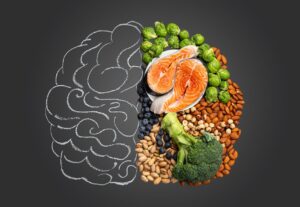
Analysis
Healthy nutrition supports concentration and is essential for mental clarity. Making mindful food choices helps reduce sluggishness, inactivity, and productivity loss.
Examples
-
Focus-enhancing breakfasts such as eggs, oats, and fruit
-
Meal preparation to avoid frequent eating out
-
Drinking water instead of sugary beverages
A balanced diet helps maintain physical energy and mental focus throughout the day.
4. Regular Physical Activity in a Digital Routine

Analysis
One of the most serious health challenges in the digital era is physical inactivity. A lack of movement poses significant health risks. Even small amounts of regular movement are essential.
Many people—professionals, students, and others—spend long hours sitting and focusing on screens due to work, academic tasks, gaming, or digital hobbies. So how can individuals improve both physical and mental health?
Examples of simple actions include:
-
Doing a 20-minute home workout
-
Taking a five-minute break between tasks
-
Standing or walking while answering phone calls
These habits promote muscle engagement, increase calorie burning, enhance overall health, and improve mental focus.
5. Managing Screen Time for Eye and Brain Health

Explanation
Excessive screen time can lead to various health issues, including mental fatigue, dry eyes, and reduced cognitive clarity. Managing screen usage and incorporating off-screen activities are essential.
Examples
-
Using blue light filters or dark mode
-
Scheduling screen-free time blocks
-
Applying the 20-20-20 rule
Practicing these habits helps protect eye health and supports brain function.
6. Protecting Mental Health in a Fast-Paced Digital World

Explanation
Constant notifications, information overload, and deadline pressure can increase stress and anxiety. Protecting mental health requires intentional care and awareness.
Examples
-
Limiting non-essential notifications
-
Practicing breathing exercises or meditation
-
Reducing negative or excessive worrying
Supporting mental well-being helps individuals make better decisions and maintain creativity.
7. Prioritizing Quality Sleep for Sustainable Productivity

Explanation
Sleep is one of the most critical activities for the body. During sleep, the body recovers, and the brain processes mental activity. Avoiding screen exposure before bedtime is essential for quality rest.
Examples
-
Avoiding screens at least one hour before sleep
-
Using apps that support healthy sleep habits
-
Maintaining consistent sleep and wake times
Quality sleep improves memory, brain performance, and immune system function.
8. Improving Workplace Ergonomics to Reduce Physical Strain

Explanation
Muscle pain and joint discomfort can result from poor posture and inadequate workspace setup. Ergonomics is essential in digital work environments.
Examples
-
Positioning the screen at eye level
-
Using a chair with proper back support
-
Adjusting desk height for relaxed posture
Good ergonomics enhances comfort and supports long-term well-being.
9. Creating a Harmonious Digital Life
Explanation
Being productive does not mean being online all the time. Maintaining balance is crucial to prevent burnout and sustain well-being.
Examples
-
Spending device-free time with family
-
Engaging in offline hobbies such as reading or exercising
-
Taking regular digital breaks
A balanced lifestyle is the foundation of long-term productivity.
10. Consistency: The Elixir of a Healthy Digital Lifestyle

Explanation
A healthy lifestyle does not require drastic changes. Sustainable results come from small, consistent actions.
Examples
-
Drinking water at the start of the day
-
Moving the body every hour
-
Maintaining a consistent daily sleep routine
Through consistency, simple actions evolve into powerful habits.
Conclusion
One of the most important secrets to living a productive life in the digital world is finding balance and becoming aware of daily habits. Improved well-being and productivity can go hand in hand through healthy nutrition, regular physical activity, effective screen-time management, mental health protection, quality sleep, and mindful use of technology.
In the long run, a healthy lifestyle is an investment. The earlier it begins, the greater the benefits—both personally and professionally.