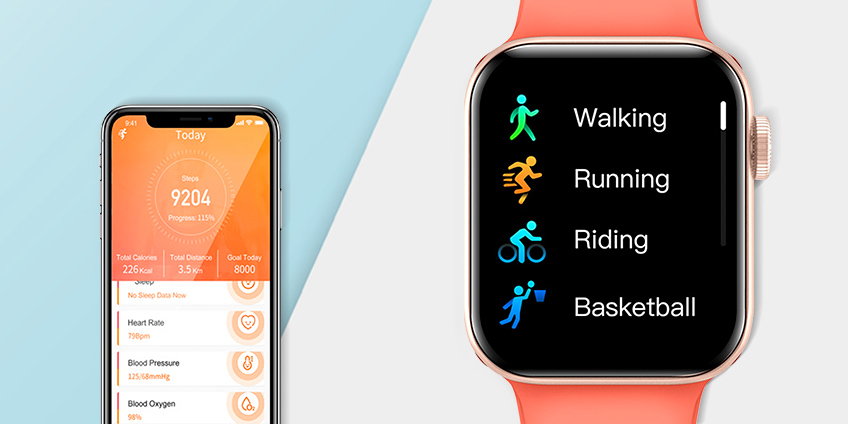
The ability to monitor personal health has evolved significantly over time. In the past, health conditions could only be assessed through medical examinations at healthcare facilities or by using specialized medical equipment. Today, many health indicators can be measured and monitored through a small device worn on the wrist. Health smartwatches have become one of the most efficient and practical health-monitoring devices available on the market.
Busy schedules and increasingly sedentary lifestyles are the primary reasons behind the growing demand for health smartwatches. These devices can track daily activities, monitor heart rate, record sleep patterns, and even help manage stress levels. As a result, health smartwatches are widely used across various professions, whether for tracking daily movement, supporting fitness training, or maintaining a healthy lifestyle.
What Are Health Smartwatches?

Health smartwatches have become leading devices in the wearable technology market. They are used by people from diverse occupations to track daily activities, maintain physical fitness, or simply stay active. Health smartwatches are intelligent wearable devices equipped with advanced sensors and software that record health and fitness data.
Unlike traditional watches, health smartwatches can connect to smartphones and the internet, allowing them to collect, store, and analyze health data digitally through integrated health platforms.
The main functions of health smartwatches include:
-
Tracking daily activities
-
Monitoring essential health metrics
-
Sending health notifications and reminders
-
Analyzing health data through cloud-based computing
Health smartwatches are a subset of digital health technology, designed to empower users to make informed health decisions and adopt healthier lifestyle choices.
The History of Health Smartwatches
Over the past decade, health smartwatches have evolved from simple devices into advanced health-monitoring technology.
Early Phase
-
Basic functions included timekeeping and receiving notifications from a paired smartphone
-
Fitness tracking capabilities were limited and basic
Development Phase
-
Introduction of heart rate sensors
-
Addition of sleep tracking and exercise monitoring features
Modern Phase
-
Deployment of advanced sensors to monitor blood oxygen (SpO₂), skin temperature, and stress levels
-
Health data analysis powered by artificial intelligence (AI)
-
Integration with digital health platforms and ecosystems
This evolution has made health smartwatches increasingly sophisticated and valuable in addressing modern health challenges.
How Health Smartwatches Work
The functionality of health smartwatches relies on the synergy between hardware, software, and cloud computing.
1. Biometric Sensors as Core Technology
Biometric sensors capture physiological data from the user’s body, including:
-
Optical heart rate sensors that use LED light to measure heartbeat
-
Accelerometers to detect movement and count steps
-
Gyroscopes to monitor body position and motion
-
SpO₂ sensors to measure blood oxygen saturation
-
Thermal sensors to detect changes in skin temperature
2. Intelligent Algorithms for Data Processing
AI-powered algorithms enable smartwatches to:
-
Detect changes in physical activity
-
Monitor overall health conditions
-
Provide personalized health insights and recommendations
3. Health App Integration
Health smartwatches connect wirelessly to smartphone health applications. Through these apps, users can:
-
View health reports in graphical formats
-
Set health and wellness goals
-
Store and review long-term health data
Core Features of Health Smartwatches
1. Continuous Heart Rate Monitoring
This feature allows users to track their heart rate throughout the day, even while resting. It helps users to:
-
Adjust workout intensity
-
Recover and relax more effectively
-
Understand how different activities affect their body
2. Sleep Quality Tracking
Health smartwatches can assess:
-
Total sleep duration
-
Sleep stages, including light, deep, and REM sleep
-
Sleep interruptions and patterns
These insights help users improve sleep quality and overall rest.
3. Activity and Step Tracking
Smartwatches track daily movement by reporting:
-
Step count
-
Distance traveled
-
Estimated calories burned
These features encourage users to stay active throughout the day.
4. Blood Oxygen (SpO₂) Monitoring
SpO₂ tracking provides insight into cardiopulmonary health by:
-
Monitoring fitness and endurance levels
-
Detecting fatigue related to low oxygen levels
-
Supporting overall physical performance
5. Multiple Exercise Modes
Health smartwatches support various workout modes, including:
-
Running
-
Cycling
-
Swimming
-
Yoga
-
Strength training
-
Hiking
Each mode offers tailored metrics to evaluate performance.
6. Stress Management Features
By tracking heart rate variability, smartwatches can detect stress levels and offer guided breathing exercises to promote relaxation.
7. Health Reminders
Smartwatches send reminders that encourage users to:
-
Avoid prolonged periods of inactivity
-
Stay hydrated
-
Take regular breaks
Benefits of Health Smartwatches in Daily Life

1. Increased Health Awareness
Continuous access to health data motivates users to become more engaged with their habits and overall well-being.
2. Goal Achievement Support
Smartwatches help users set goals, monitor progress, and stay motivated through achievements and rewards.
3. Early Detection of Physical Changes
Variations in heart rate, sleep patterns, or activity levels can serve as early indicators of potential health concerns.
4. Improved Mental and Physical Performance
Optimal physical health contributes to better focus, higher energy levels, and increased efficiency in daily tasks.
5. Efficiency and Convenience
Health monitoring can be performed anytime without additional equipment, making smartwatches ideal for busy lifestyles.
Health Smartwatches and Digital Lifestyle Integration
With the rise of remote and hybrid work environments, health smartwatches have become essential tools for maintaining work-life balance. These devices help users to:
-
Manage work and rest schedules
-
Reduce sedentary behavior
-
Stay active during extended screen time
How to Choose the Right Health Smartwatch
-
Identify your primary health and fitness goals
-
Ensure compatibility with your smartphone
-
Evaluate sensor accuracy and consistency
-
Consider battery life and charging convenience
-
Choose a model that fits your budget and lifestyle
Challenges and Limitations of Health Smartwatches
Despite their benefits, health smartwatches have limitations:
-
They do not replace professional medical examinations
-
Data accuracy may vary depending on usage and individual conditions
-
Battery life and device connectivity can affect performance
Understanding these limitations helps users use smartwatches responsibly and effectively.
The Future of Health Smartwatches
Several trends are expected to shape the future of health smartwatches:
-
More advanced AI-driven health insights
-
Expansion of health sensor capabilities
-
Deeper integration with digital health services
-
Stronger emphasis on preventive healthcare
Conclusion
The integration of health smartwatches into everyday life offers unprecedented opportunities for individuals to improve their health-related behaviors. These devices empower users to take proactive control of their well-being in the digital age. As technology continues to evolve, health smartwatches will play a vital role in intelligent, preventive, and informed health management.