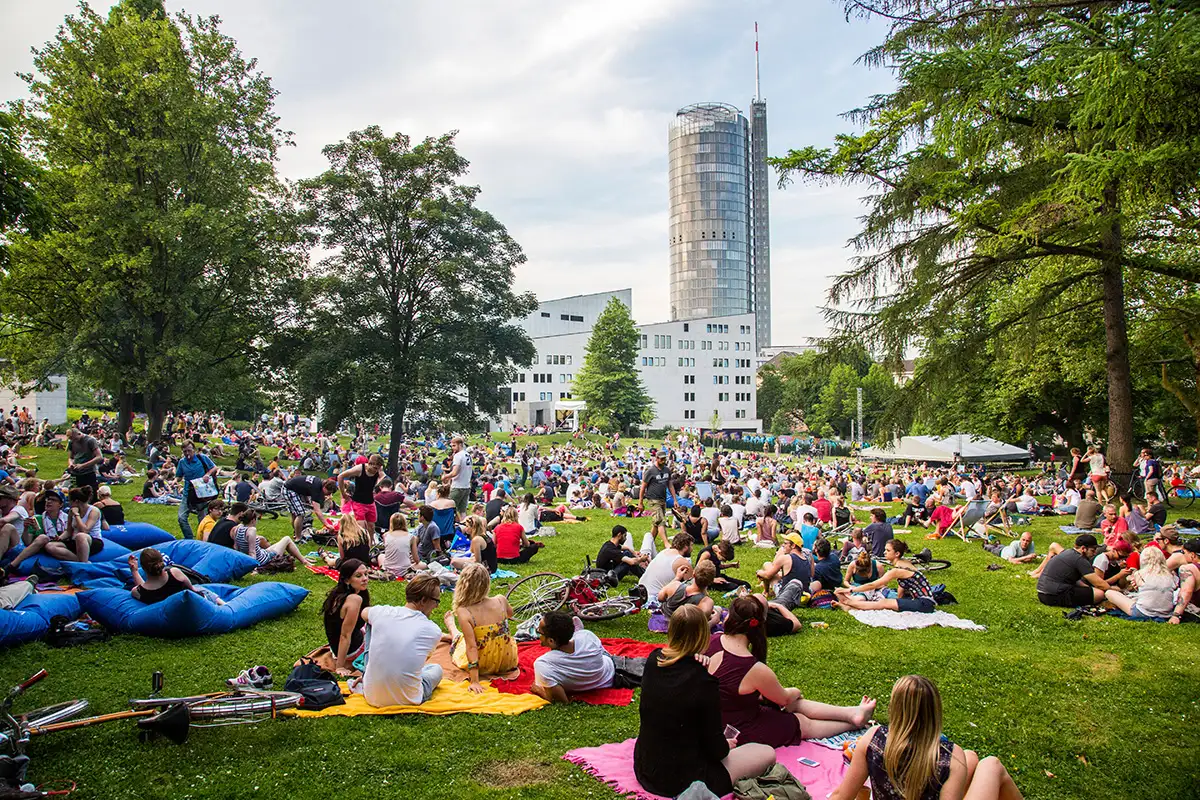
From Image : newscientist.com
In an increasingly urbanized, fast-paced world, our mental and physical health often takes a backseat to technology, deadlines, and digital noise. But as the global conversation around wellness evolves, one movement is emerging at the intersection of mental health, sustainability, and urban development: Nature Therapy and Urban Green Spaces.
In 2025, this isn’t just a lifestyle choice — it’s a billion-dollar global wellness trend backed by science, governments, and brands.
🌱 What Is Nature Therapy?
Also known as forest bathing (from the Japanese practice Shinrin-yoku), nature therapy involves spending intentional, mindful time in green environments to promote relaxation, reduce stress, and enhance overall wellbeing.
But it’s not just about taking walks in the woods anymore. In modern cities, architects, governments, and wellness advocates are bringing nature directly to urban dwellers through parks, rooftop gardens, indoor plant installations, and dedicated therapeutic green zones.
🌎 Why Is It a Global Conversation?
In 2025, mental health is a top global priority. According to the World Health Organization, anxiety and depression are costing the global economy over $1 trillion each year in lost productivity. Nature therapy offers a scalable, affordable, and scientifically proven solution — one that’s being adopted everywhere from New York to Singapore.
Governments are now integrating urban green spaces into city planning, as studies show proximity to nature reduces healthcare costs, lowers crime rates, and improves quality of life. In Singapore, for example, the city’s “Biophilic City” blueprint has been internationally recognized for integrating lush greenery into dense urban areas.
📊 The Science Behind It
Multiple peer-reviewed studies have confirmed the benefits of green spaces:
-
Lower cortisol levels (stress hormone)
-
Improved cardiovascular health
-
Reduced symptoms of anxiety and depression
-
Enhanced cognitive function
-
Increased social cohesion in communities
A 2024 meta-analysis published in The Lancet Planetary Health found that people with regular access to urban green spaces have 30% lower risk of mental health disorders compared to those without.
🏙️ The Rise of Green Infrastructure
Urban green infrastructure includes:
-
Vertical gardens on building facades
-
Rooftop farms and wellness terraces
-
Park connectors and forest corridors
-
Therapeutic gardens in hospitals and corporate campuses
Luxury real estate developers are now branding green living spaces as part of their wellness offering — incorporating oxygen gardens, hydrotherapy ponds, and even meditation groves into condominiums.
📈 Why This Topic Has High RPM Potential
Topics like mental health, urban wellness tourism, green building solutions, and eco-living products attract premium advertisers in:
-
Travel & hospitality
-
Real estate developers
-
Mindfulness apps & platforms
-
Eco-friendly product brands
-
Healthcare and telehealth services
By publishing high-quality, evergreen content on nature therapy, you tap into a global market eager for solutions to urban stress and mental health management.
🌳 How Cities Are Leading the Way
-
Singapore: “City in a Garden” initiative with rooftop parks and forest skywalks
-
New York City: Wellness trails and expanded community gardens through the NYC Parks GreenThumb program
-
Tokyo: Forest therapy trails and green rooftops integrated into skyscrapers
-
London: New biodiversity parks and hospital healing gardens
🌿 Wellness Tourism and Nature Escapes
Post-pandemic, wellness tourism is thriving — with travelers seeking digital detox retreats, forest therapy vacations, and eco-resorts with immersive nature experiences. Airbnb searches for “nature cabins” and “forest stays” have increased by over 120% year-over-year.
📌 Conclusion: Why Nature Therapy Is the Future
As urban populations grow and digital fatigue rises, Nature Therapy & Urban Green Spaces represent not only a vital public health intervention but a lucrative wellness economy. From luxury property developers to wellness travel brands and mindfulness platforms, this trend is reshaping how we live, work, and heal in cities.